






























Throughout the post, I’ve woven in links to related content like our deep dive on AI tech trends in 2025, a recap of Nvidia’s wild financial ride, and insights into Silicon Valley’s next big bets.
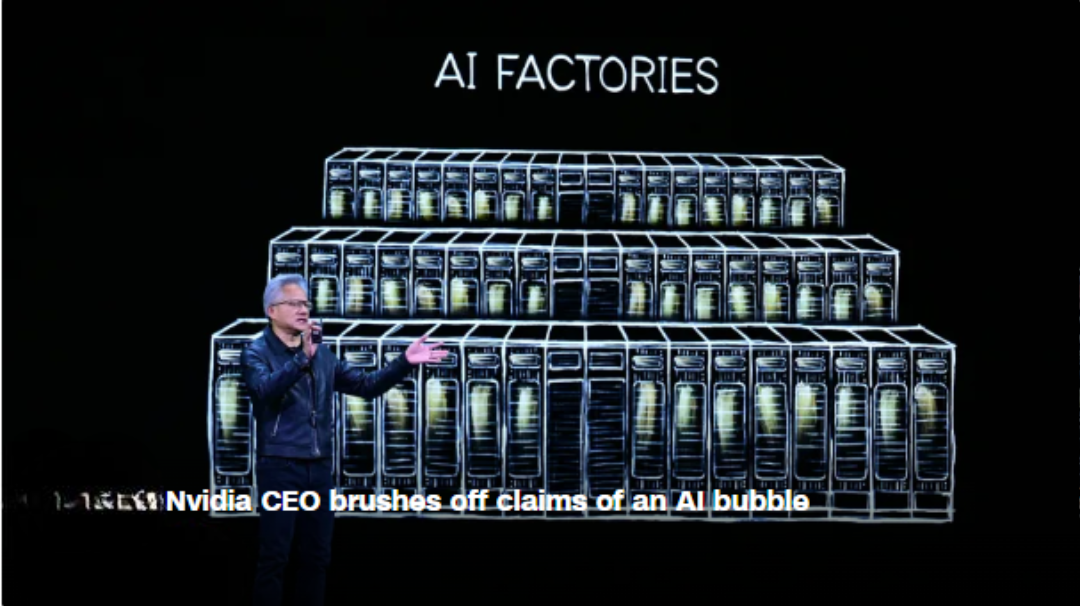
In the high-stakes world of tech earnings calls, few moments land like a mic drop quite like this one. Picture the scene: analysts on the edge of their seats, headlines screaming about overhyping, and then—bam—a CEO steps up and essentially says, “Hey, take a breath.” That’s the vibe from Nvidia’s latest report, where the numbers dazzled but the real story was in the swagger.
Earnings That Defy the Hype Machine
Nvidia dropped its results mid-week, and if you blinked, you missed the fireworks. Sales? Up over 60% from last year. Profits? Same story. Wall Street was expecting strong, but this was “off the charts,” as CEO Jensen Huang put it himself. The company even penciled in $65 billion for the fourth quarter—beating estimates again. It’s the kind of beat that should have shares soaring into the stratosphere, right? Well, almost.
For context, Nvidia’s been the undisputed king of the AI chip race, powering everything from chatbots to climate models. But with great power comes great scrutiny. Investors have been whispering (okay, shouting) about whether this whole AI frenzy is sustainable or just another dot-com mirage waiting to pop. Huang didn’t just address it; he swatted it away like a pesky fly.
Not to Burst Your Bubble—Or Is It?
Diving deeper, Nvidia’s CFO Colette Kress laid out a vision that’s equal parts ambitious and audacious: $3 trillion to $4 trillion in annual AI infrastructure spending by decade’s end. That’s not pocket change; it’s the kind of forecast that makes economists reach for their smelling salts. Tech behemoths like Meta and Google are already committing $400 billion this year alone to data centers and GPUs, all to stay ahead in the cloud-AI arms race.
Huang doubled down, pointing out that Nvidia isn’t riding solely on shiny new generative AI toys. There’s a massive backbone of “non-AI” software—think data crunching for science, engineering sims—that’s quietly shifting to their GPUs. Hundreds of billions in cloud spend annually, transitioning from old-school CPUs Nvidia AI Bubble . It’s like upgrading the engine in a Ferrari; the ride gets smoother, faster, without reinventing the car.
Kress went full cheerleader, name-dropping partners left and right. Meta’s AI recommendations? Boosting user stickiness on Facebook and Threads. Anthropic? On track for $7 billion in revenue this year. Salesforce? Their coders are 30% more efficient thanks to AI tools. It’s a laundry list of wins that screams, “This isn’t hype; it’s happening.”
Analysts are buying in, at least some. Wedbush’s Dan Ives called it “Year 3 of a 10-year build-out” of the fourth industrial revolution—no bubble in sight. Morningstar’s Brian Colello sees the current dip as a “buying opportunity,” with no weak 2026 on the horizon. Even as shares wobbled—up briefly post-earnings, then down 1% by Friday close (still +29% YTD)—the narrative feels like it’s tilting toward optimism. For more on how this fits into broader AI tech trends in 2025, check our latest roundup.
But the Market’s Got Trust Issues
Here’s where it gets real: despite the glow-up, the broader market isn’t popping champagne just yet. Shares ticked red, hinting at lingering doubts. Is Big Tech’s capex spree—those billions funneled into unprofitable darlings like OpenAI and Anthropic—really sustainable? OpenAI’s CFO Sarah Friar stirred the pot recently, floating the idea of government backstops for AI debt. Oof. The company backpedaled, but it planted seeds of “what if they can’t pay up?”
Synovus’ Daniel Morgan nailed it: Nvidia punted the big questions to next quarter, not erased them. Circular funding deals, where Nvidia invests in customers who buy its chips? Smart, but risky if the bubble talk turns to bust. And if a slowdown hits, even Nvidia’s diversified base might feel the ripples—think fewer orders from cash-strapped AI startups.
Still, Huang’s got form. He’s steered Nvidia from graphics card niche player to trillion-dollar titan. For a historical lens, revisit our piece on Nvidia’s financial history—it’s a reminder that betting against them has burned more than a few. As Silicon Valley grapples with monetizing gen AI, Nvidia’s play in everyday tech services could be the Nvidia AI Bubble ultimate hedge.
Wrapping It Up: Boom or Bust? You Decide
Nvidia’s call was a masterclass in confidence-building, but markets are fickle mistresses. Huang told everyone to chill, backed by numbers that scream growth. Yet those pesky fears? Nvidia AI Bubble: They’re the ghosts at the feast, whispering about what happens when the easy wins dry up. If you’re eyeing Silicon Valley’s next big bets, this is prime time to watch.
Outbound links for the curious: Dive into Nvidia’s full earnings transcript here, Wedbush’s full note via their site, or Morningstar’s analysis on their platform. What’s your take—chill pill swallowed, or holding out for more proof? Drop a comment below.