






























The escalating tensions between Beijing and Tokyo have just leaped onto the global stage, pulling in one of the world’s most delicate fault lines. As someone who’s followed East Asian geopolitics for years, I can’t help but feel the weight of old wounds reopening amid fresh rhetoric. This isn’t just diplomatic posturing; it’s a stark reminder of how quickly words can arm nations China Japan Taiwan dispute.
What Sparked This Latest Clash?
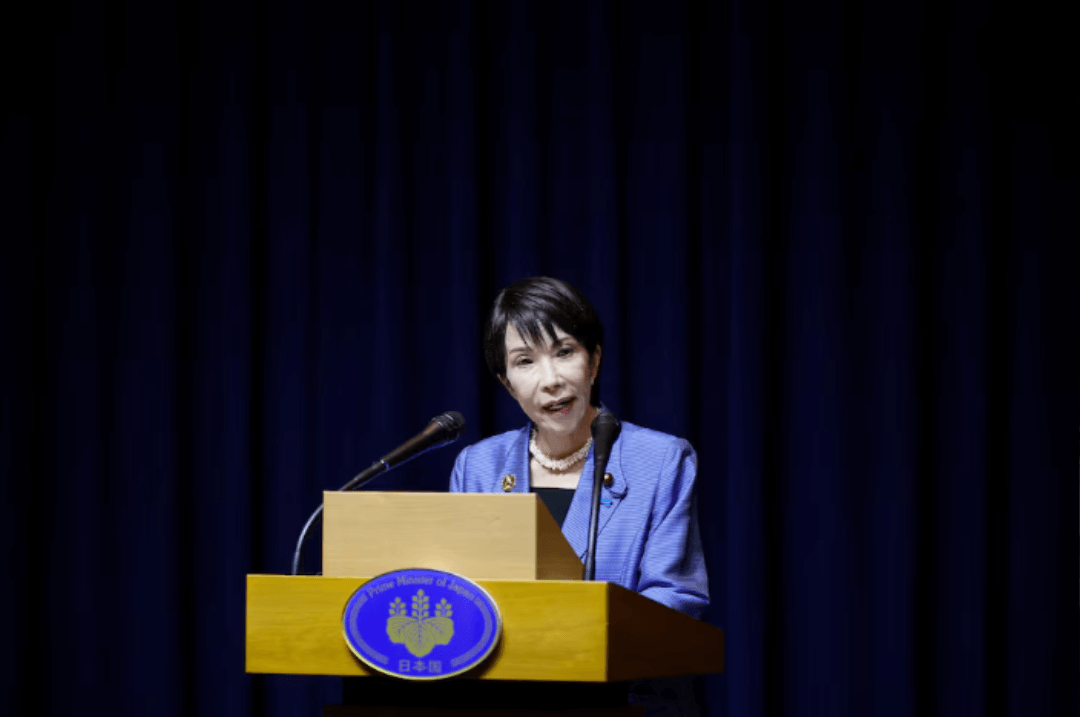
It all traces back to a parliamentary exchange in Japan earlier this month. Prime Minister Sanae Takaichi, known for her nationalist leanings, dropped a bombshell when responding to a hypothetical scenario: a Chinese move on Taiwan could be seen as an existential threat to Japan itself. That’s not vague ambiguity—it’s a direct nod to Tokyo’s legal framework for mobilizing its Self-Defense Forces. For context, Taiwan sits a mere 100 kilometers from Japan’s shores, making any conflict there impossible to ignore.
China didn’t let that slide. In a letter to UN Secretary-General Antonio Guterres, Ambassador Fu Cong labeled Takaichi’s statement a “grave violation” of international law, accusing Japan of plotting “armed intervention” in what Beijing calls its internal affair. The response? A firm pledge to invoke the UN Charter’s self-defense clause if push comes to shove. This marks the sharpest rebuke yet from a top Chinese diplomat, turning a bilateral tiff into a multilateral spectacle China Japan Taiwan dispute.
If you’re new to these waters, check out my earlier piece on rising U.S.-China frictions in the South China Sea for how these islands keep everyone up at night.
Historical Echoes Fueling the Fire
Beijing’s playbook here isn’t new—it’s laced with references to Japan’s imperial past. With the 80th anniversary of World War II’s end looming, China has ramped up mentions of wartime atrocities and its pivotal role in founding the UN. Fu’s letter leans heavily on the 1943 Cairo Declaration and 1945 Potsdam Declaration, which promised to “restore” Taiwan (then Formosa) to Chinese sovereignty after Japanese occupation.
But here’s the twist: those documents were signed by the Republic of China, the government that retreated to Taiwan after the 1949 civil war. Beijing took the UN seat in 1971, flipping the script. Many experts argue these declarations are more aspirational than binding, yet China wields them like a legal scepter. For a deeper dive, the UN’s own archives on postwar Asia lay out the timeline without the spin.
This invocation feels like a calculated jab, especially as trade ties fray—China’s already hinting at “severely damaged” economic cooperation, with Japanese cultural events getting axed left and right China Japan Taiwan dispute . It’s a reminder that soft power can sour fast.
Broader Ripples: Trade, Culture, and Alliances
Beyond the UN drama, the fallout’s hitting everyday channels. Concerts by Japanese artists in China? Canceled. Parliamentary exchanges? Frozen. And don’t get me started on the economic undercurrents—Japan’s a top trading partner, but nationalism could throttle that flow. Takaichi’s office hasn’t commented yet, but expect Tokyo to push back through allies like the U.S., which has its own Taiwan Relations Act commitments.
From my vantage, this spat underscores a bigger shift: Asia’s postwar order is cracking under the strain of great-power rivalry. For more on how Japan’s remilitarization plays into this, see my analysis of Takaichi’s rise and conservative agenda.
What’s Next in This Powder Keg?
No one’s predicting invasion timelines, but the rhetoric’s dialed up to eleven. Beijing insists Taiwan is non-negotiable territory, while Taipei—and now explicitly Tokyo—beg to differ China Japan Taiwan dispute. The UN might mediate, but with China holding a Security Council veto, don’t hold your breath for breakthroughs.
As I wrap this up, I’m left with a mix of dread and dark amusement at history’s reruns. Will cooler heads prevail, or are we edging toward a new crisis? Keep an eye on Reuters’ ongoing coverage for updates—it’s the gold standard here. And if you’re into simulations, my post on wargaming Taiwan scenarios breaks down the what-ifs.
What do you think—overblown saber-rattling or a genuine red line? Drop your thoughts below.